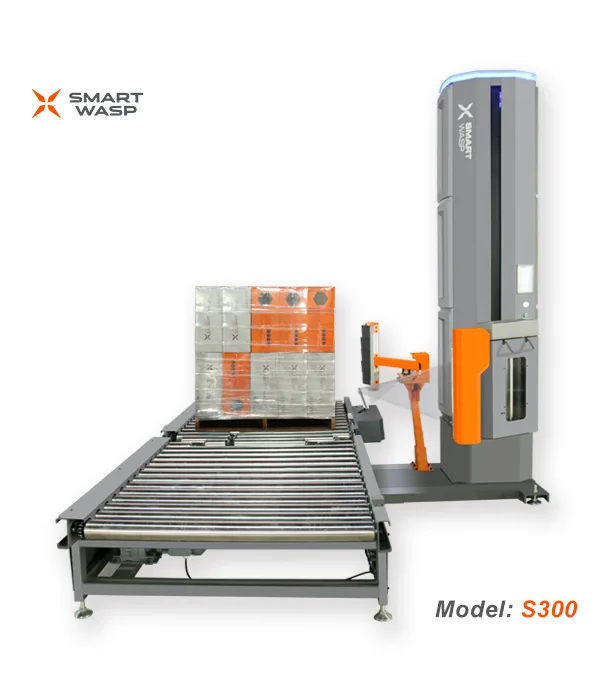
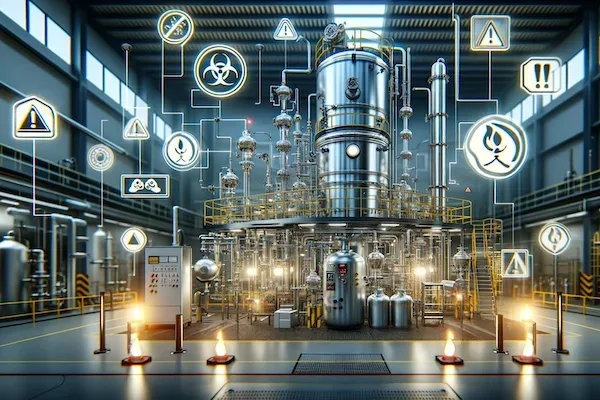
Smart and connected equipment is changing the way industrial teams work. Machines that once operated in isolation now offer a steady stream of information about how they are performing. Real time insight into efficiency, load, and maintenance needs gives operators a clearer picture of what is happening on the floor. When a system can warn of wear before it becomes a failure, downtime drops and equipment stays in service longer. Buyers across manufacturing, construction, and processing value this kind of visibility because it supports steadier production and more predictable operations.
Upgrading older machinery has become just as important as designing new systems. Many firms are choosing to retrofit existing fleets with sensors, emissions controls, and digital monitoring tools. A well executed retrofit keeps proven equipment in the field while bringing it closer to modern standards. It allows companies to extend the life of their assets, control capital spending, and still benefit from the intelligence and connectivity that newer machines provide.
Environmental performance is shaping purchasing decisions as well. Electric and hybrid equipment is gaining ground in sectors like construction, mining, and agriculture, especially in regions where regulations are strict or where incentives support cleaner alternatives. Companies that invest in low emission designs are finding that customers respond to equipment that reduces impact without sacrificing capability. It is a practical way to meet environmental expectations while maintaining productivity.
The strongest performers in the machinery and equipment space are the ones blending connectivity, retrofitting, and sustainable design. They offer machines that work harder, last longer, and operate with less environmental cost. By helping customers improve efficiency, preserve existing assets, and meet regulatory demands, these firms create a value proposition that stands out. For buyers exploring options in this space, a focused resource like the machinery and equipment marketplace makes it easier to compare solutions that balance intelligence, reliability, and environmental performance.