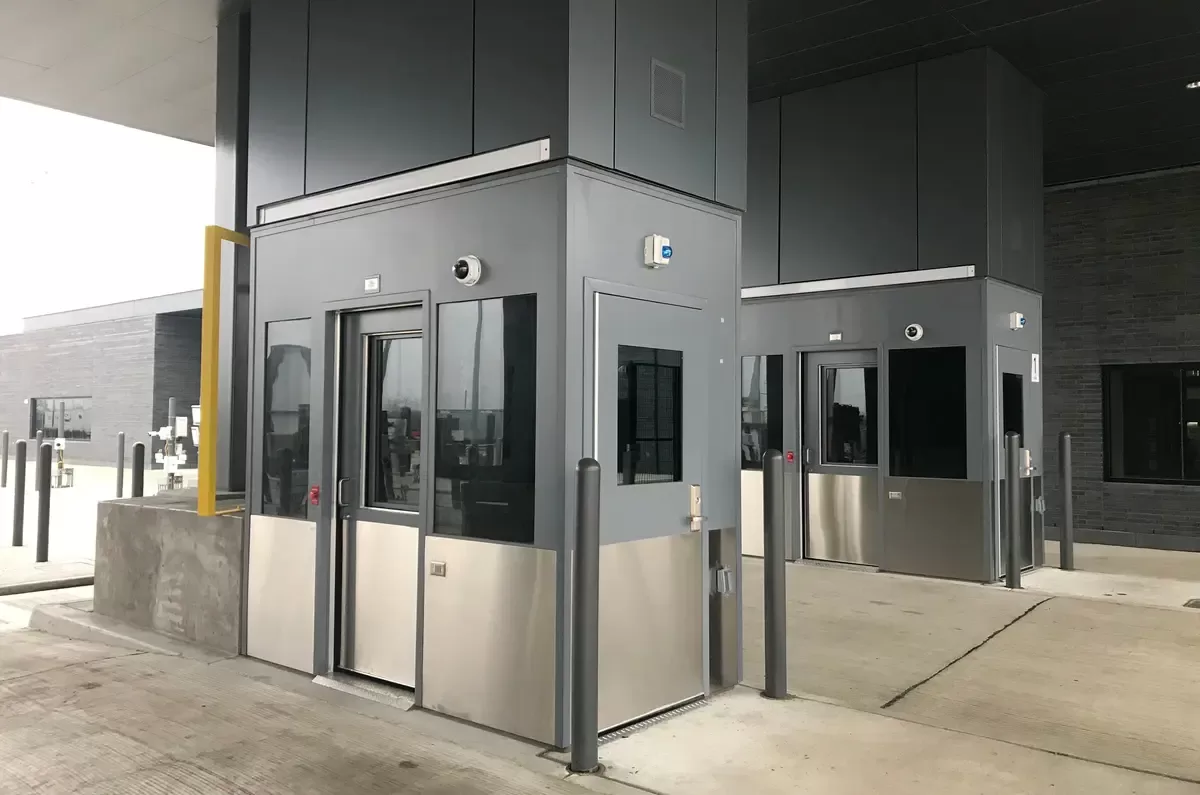
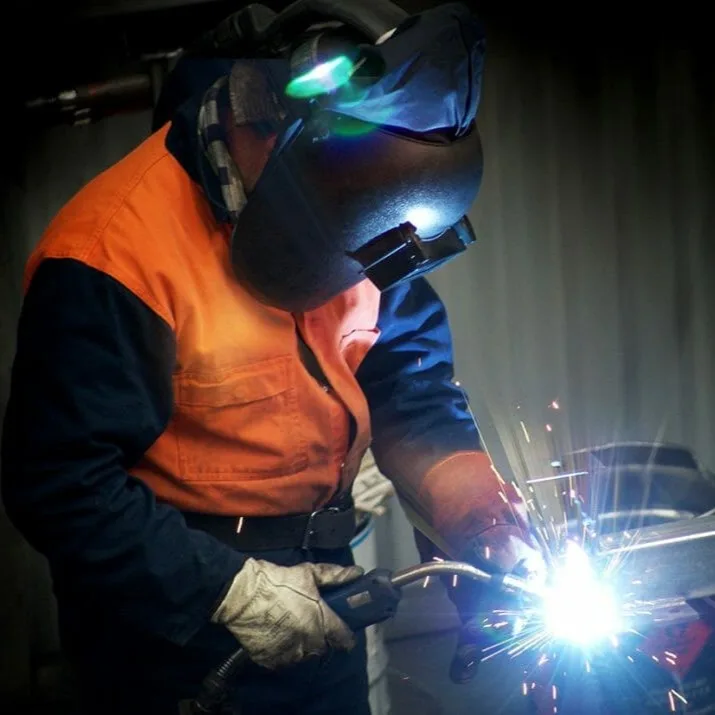
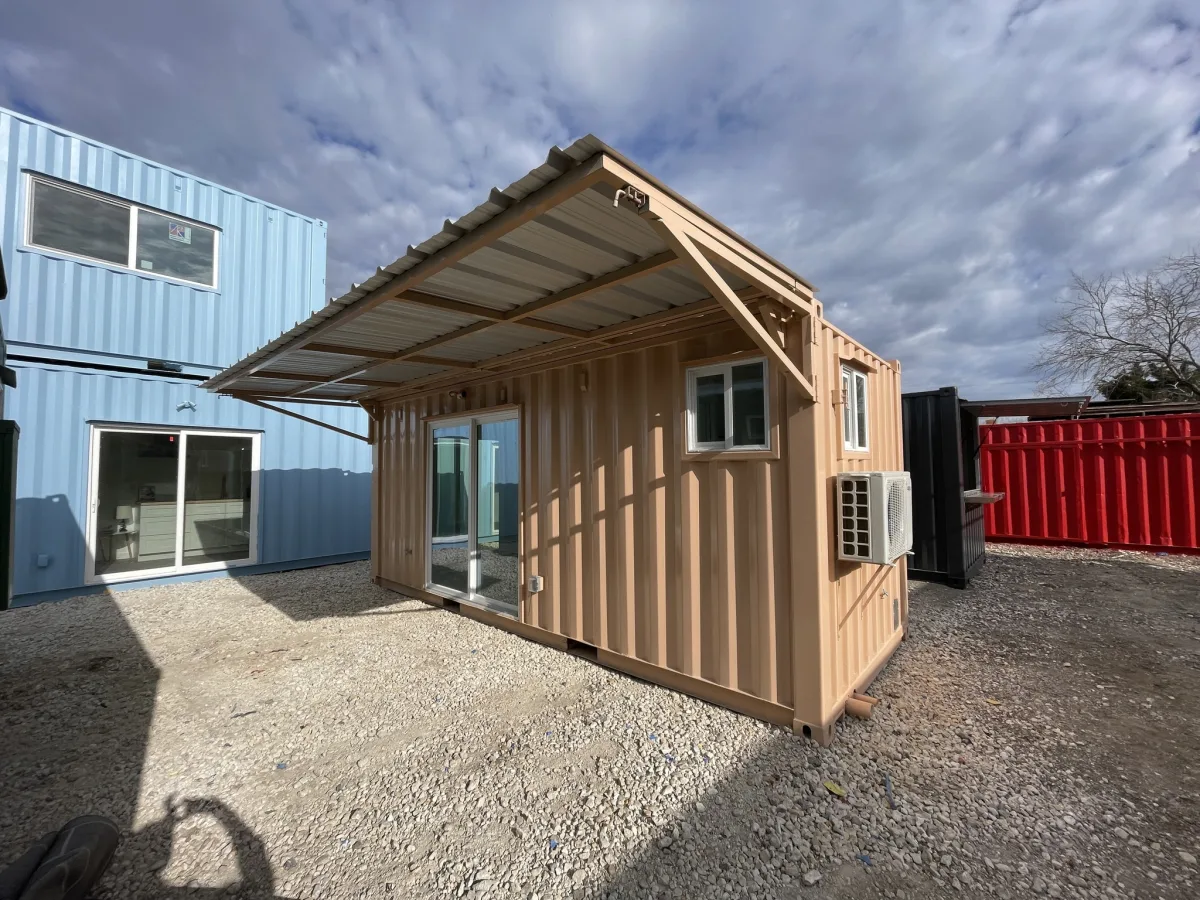
Construction is shifting toward methods that favor predictability and tighter control over project variables. Offsite fabrication and modular assembly are becoming central to this change, giving builders the ability to produce components in stable environments before they ever reach the job site. This approach reduces weather delays, limits on site congestion, and helps teams maintain consistent quality across large projects within the construction industry.
Modular systems are proving especially useful in areas facing rapid growth or housing shortages. Standardized units can be produced quickly, transported efficiently, and adapted to different design requirements without sacrificing structural integrity. The repeatable nature of these systems allows developers to scale projects with greater confidence, while still meeting the safety and performance expectations that modern building codes demand.
Sustainability is also gaining traction as offsite methods reduce waste and improve material efficiency. Controlled production environments make it easier to track resources, limit excess, and incorporate environmentally conscious materials. At the same time, connected technologies are finding their way into building operations. Sensors, automation tools, and data driven systems are helping facilities adjust to occupant needs, manage energy use, and maintain long term performance.
These shifts are encouraging closer collaboration among architects, engineers, and technology specialists. As modular construction and smart building systems become more common, project teams are rethinking traditional workflows and adopting practices that support faster delivery and better outcomes. The result is an industry gradually moving toward methods that emphasize efficiency, resilience, and a more deliberate use of resources.