There is something unmistakable about the way a handmade object carries the touch of the person who created it. A carved bowl, a woven textile, a piece of jewelry shaped by hand rather than machine all hold a kind of quiet intention. That connection between maker and material is what keeps the arts and craft industry so deeply rooted, even as the world around it becomes faster and more automated.
Craft has always evolved, but it has never lost its foundation. Traditional skills still anchor the work, yet many artisans now blend those methods with modern tools. Digital carving, small scale 3D printing, and laser cutting sit alongside hand stitching, wheel throwing, and loom weaving. The mix does not replace the old ways. It expands them, giving makers more room to experiment while keeping the handmade character intact.
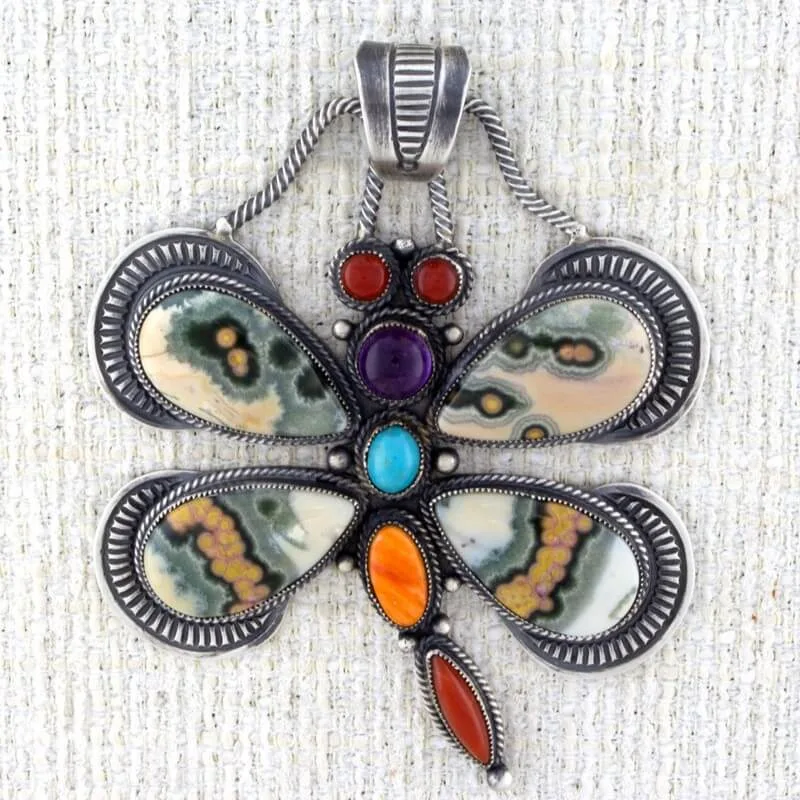
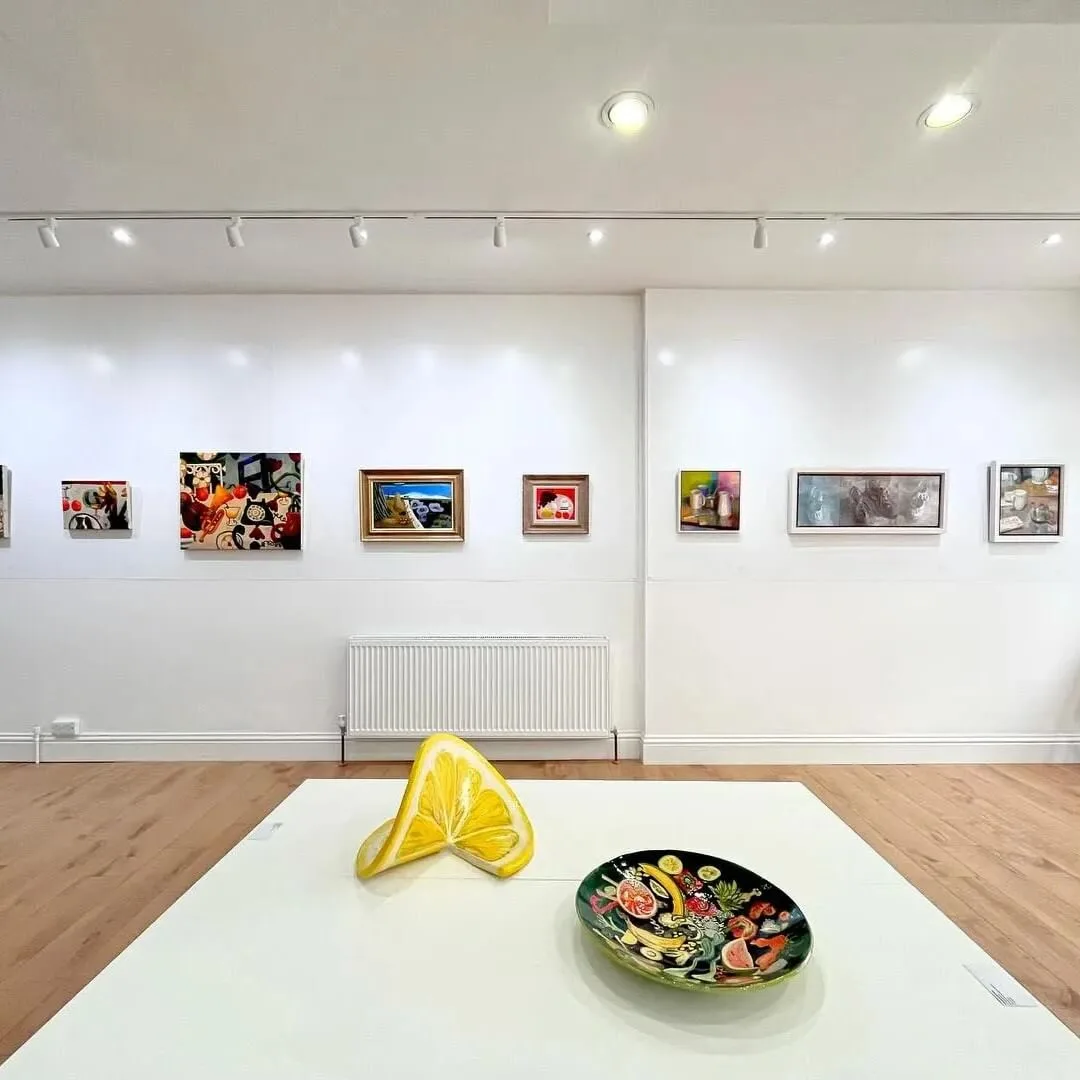
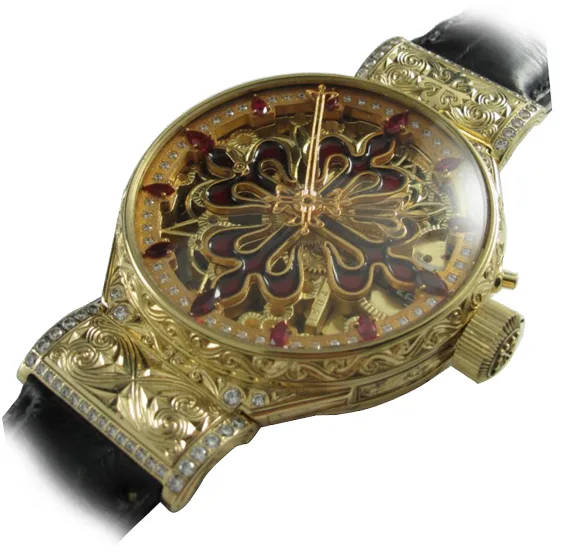
The range of work coming out of this world is wide and constantly shifting. Jewelers combine metals and stones in ways that feel both familiar and unexpected. Textile artists draw from global weaving and dyeing traditions to create pieces that carry cultural stories. Ceramicists continue to explore form and texture, producing work that feels both functional and sculptural. These makers keep the handmade crafts sector moving forward without losing sight of the traditions that shaped it.
Sustainability has also become a natural part of the conversation. Many artisans choose local materials, natural dyes, recycled fibers, or small batch production to reduce waste and keep their work grounded in responsible practices. Beyond the objects themselves, the craft community plays a bigger role in connection and culture. Markets, fairs, and workshops give makers a place to share their work and build relationships with the people who value it. As interest in handmade goods continues to grow, the arts and craft community remains a reminder of how creativity, tradition, and innovation can shape both culture and economy.