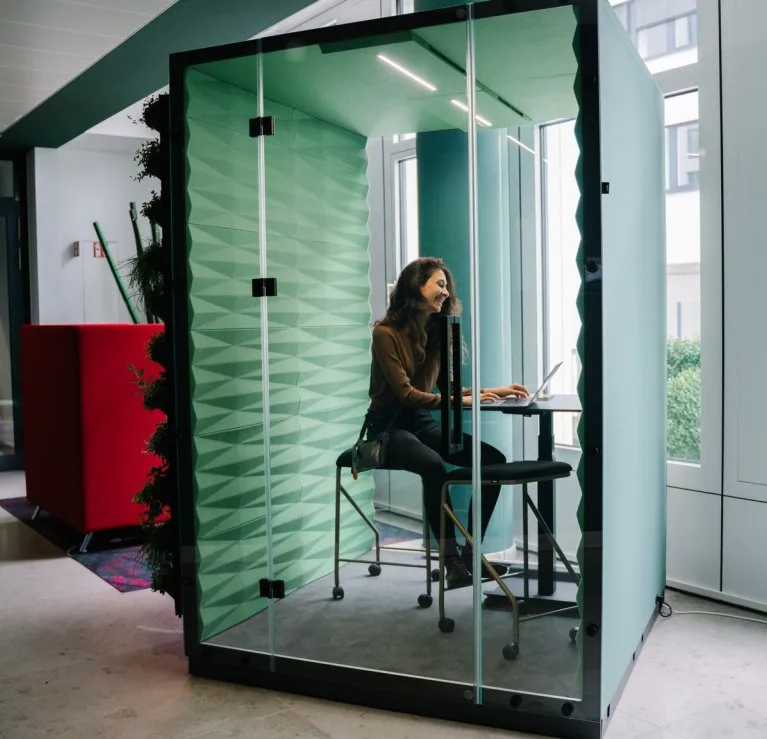
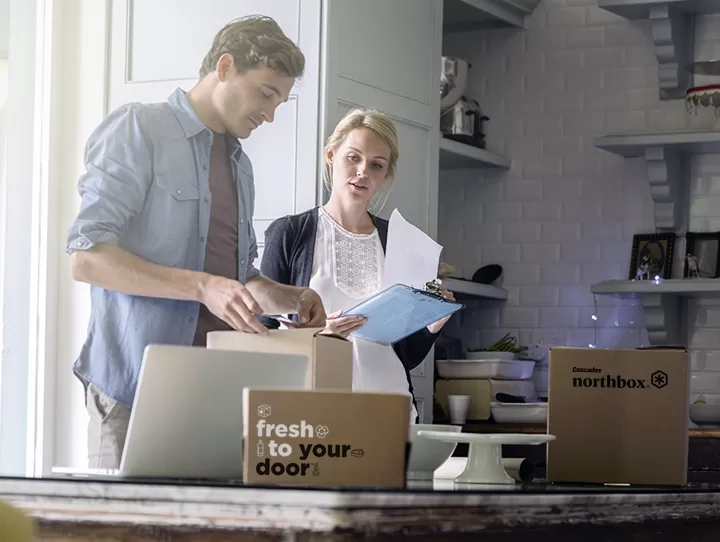
More people are splitting their days between home and shared offices, and the tools they rely on have to keep up. A workspace might be a kitchen table in the morning and a rented desk in the afternoon, so the things that matter most are the ones that move easily and settle in fast. Compact desks, simple storage, and chairs that do not fight you make it possible to work wherever the day lands. The goal is not to collect more supplies, it is to keep only what earns its place.
There is also a growing awareness of what everyday items are made from and where they end up. People notice when a notebook lasts a week or when a plastic bin cracks after a few uses. They notice when a brand is honest about its materials and when it is not. Choosing recycled or responsibly made products has become less of a statement and more of a habit, a quiet way to buy things that feel better to use and better to discard.
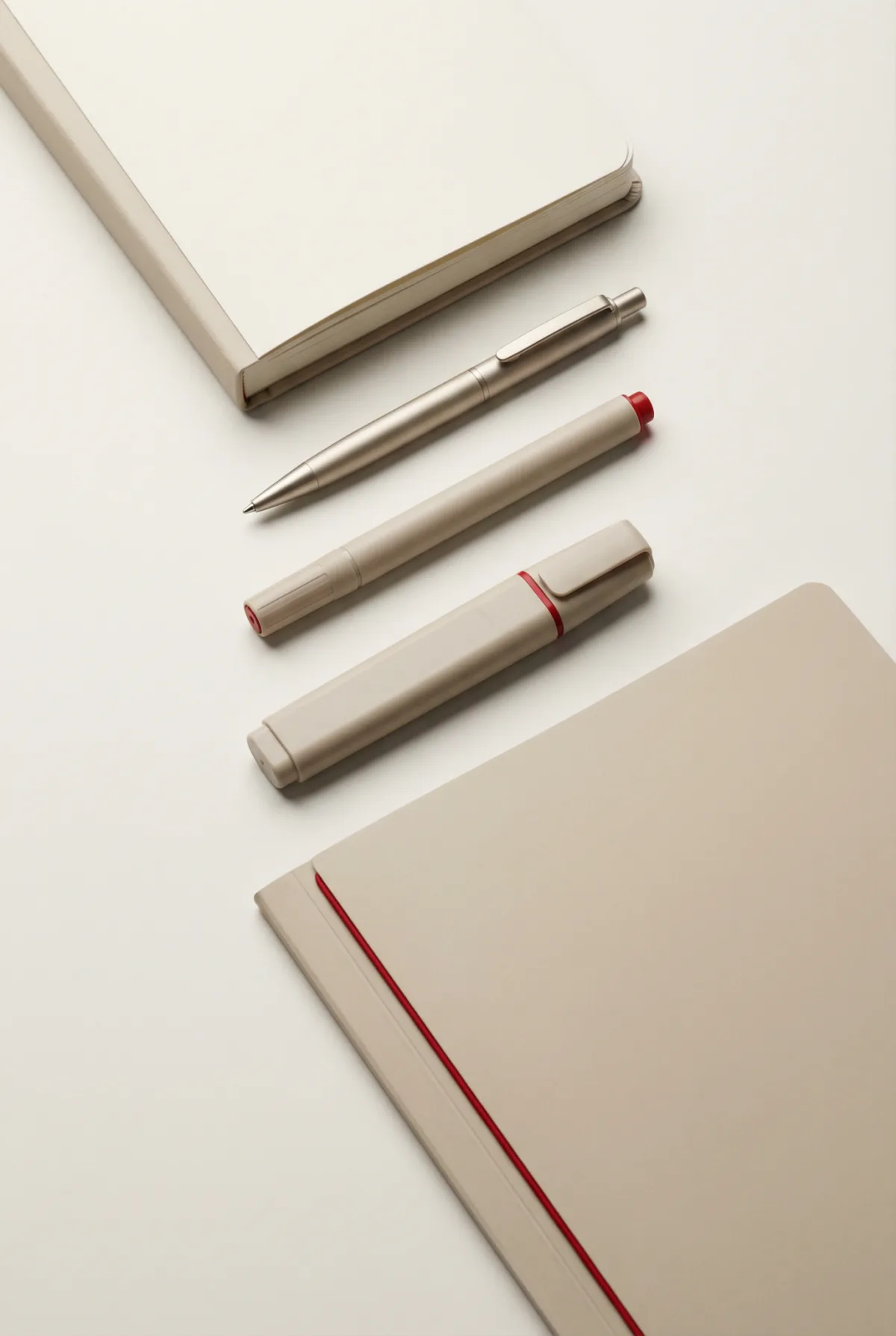
Designers are responding by rethinking the basics. Instead of short lived items that get tossed when they wear down, they are creating pieces that can be repaired or repurposed without much effort. A well built organizer or a sturdy pen tray does not need to be replaced every season, and that shift toward durability changes how people relate to the things on their desks. It encourages a slower, more thoughtful approach to the tools that support everyday work.
As work continues to move between spaces, the most useful supplies will be the ones that fit naturally into different parts of life. Light, portable, and responsibly made products reflect a broader change in how people want to work and what they expect from the objects around them. For anyone exploring what this looks like across the industry, the office supplies marketplace offers a clear view of how these ideas are shaping the modern workspace.