Work looks different now, and most people did not need a memo to notice. Offices are no longer the default place to spend every weekday, and the routines that once shaped the workday have loosened. Some days start at a kitchen counter, others in a shared space, and the office has become a place people visit with intention rather than obligation. The shift has made flexibility feel less like a perk and more like a basic part of how modern work gets done.
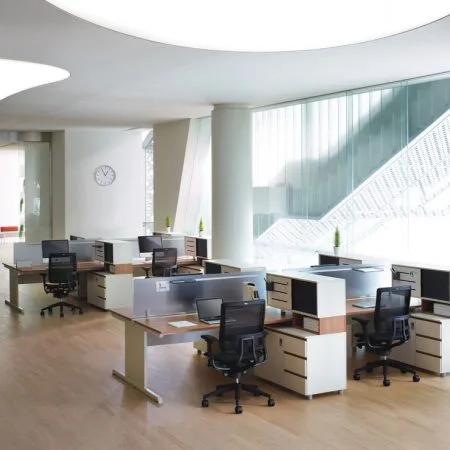
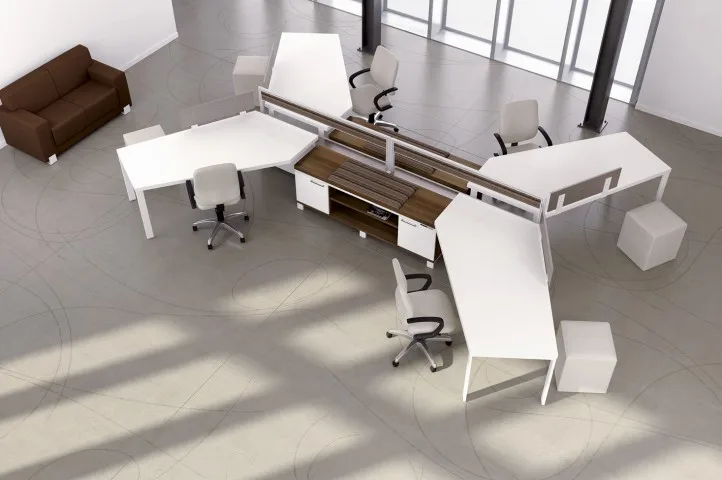
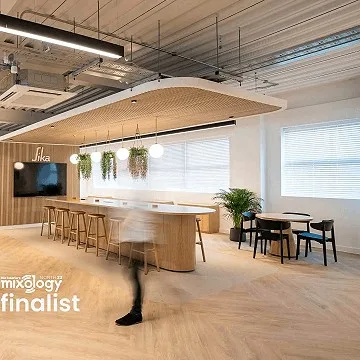
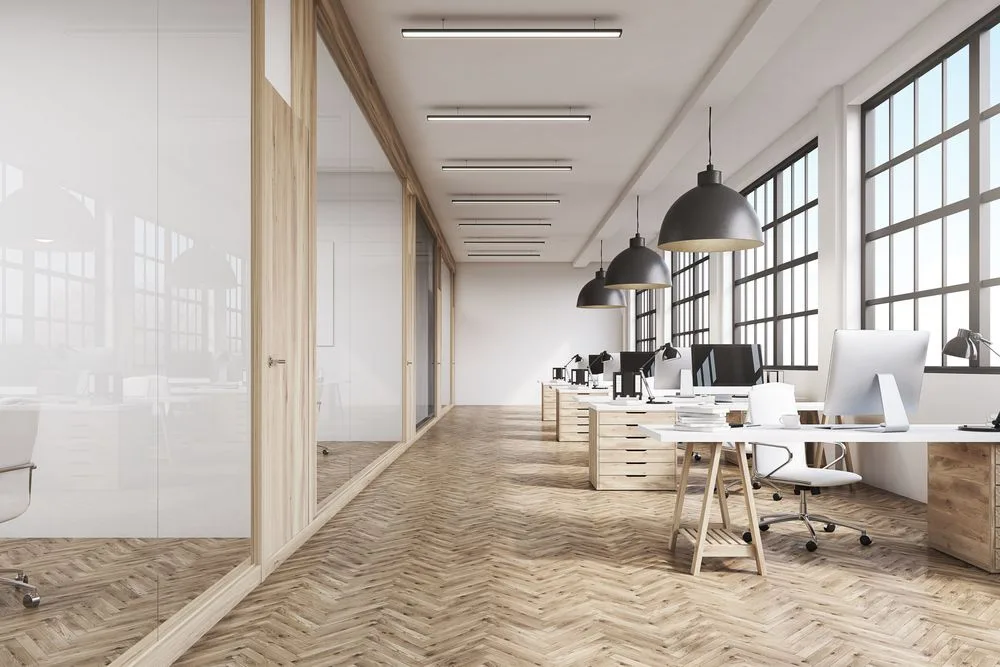
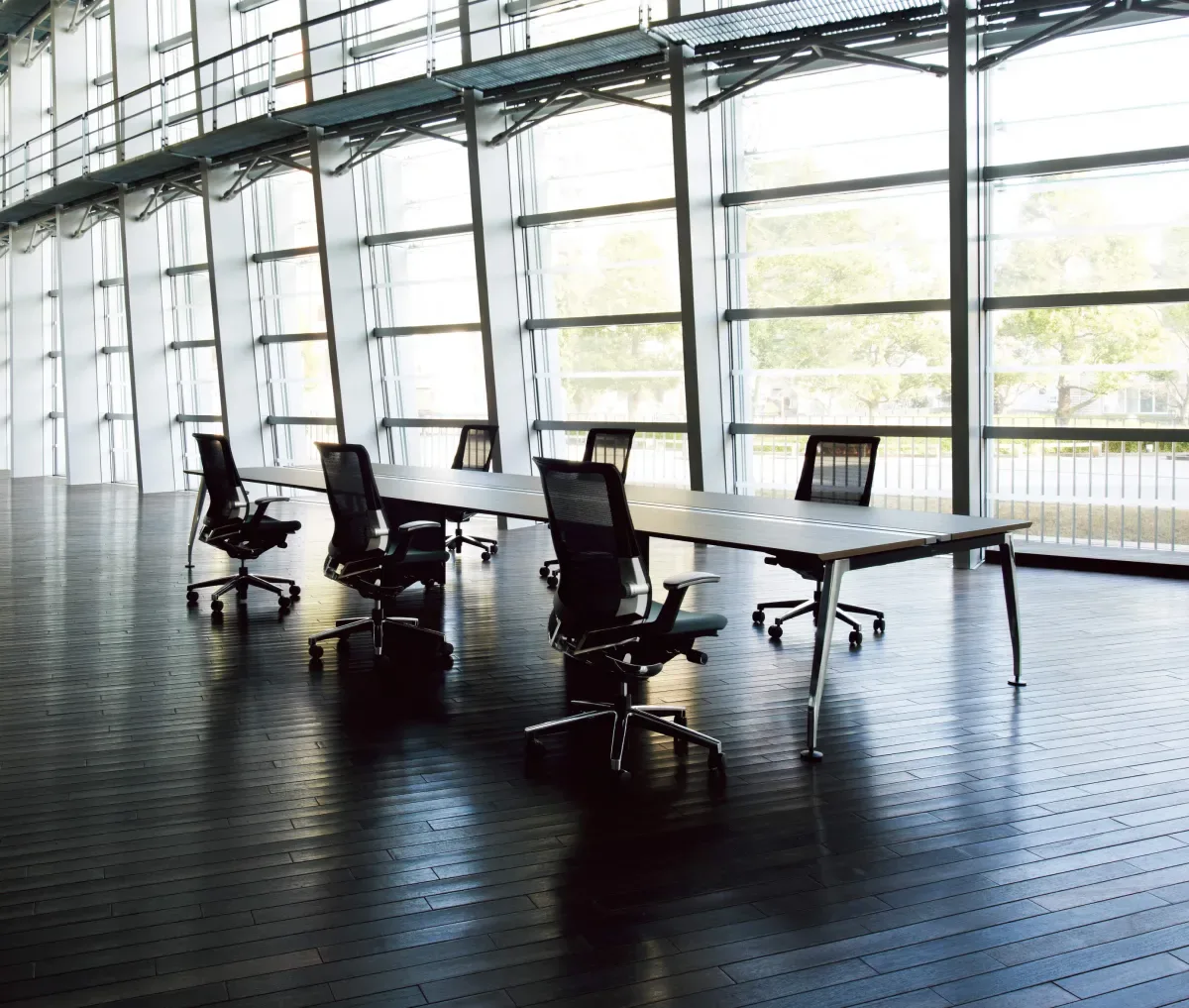
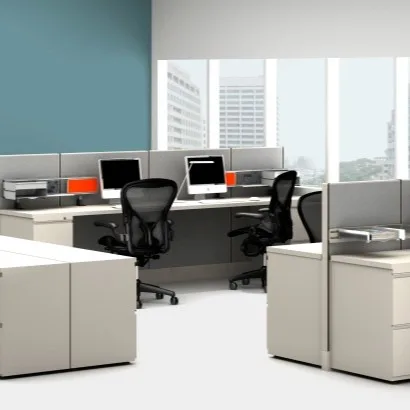
Because of that, the role of the office itself is changing. Instead of rows of desks meant for quiet individual work, more spaces are being opened up for conversations, planning sessions, and the kind of problem solving that benefits from being in the same room. People come in to connect, not to isolate, and the tools around them are being chosen with that in mind. The office is becoming a place to gather, not a place to disappear into tasks.
Digital tools have settled into the background in a way that feels natural. Teams rely on shared platforms, quick video calls, and simple automations that keep projects moving without adding more noise. The goal is not to replace the work people do, but to clear out the clutter that used to slow everything down. When the basics run smoothly, there is more room for the kind of thinking that actually moves a project forward.
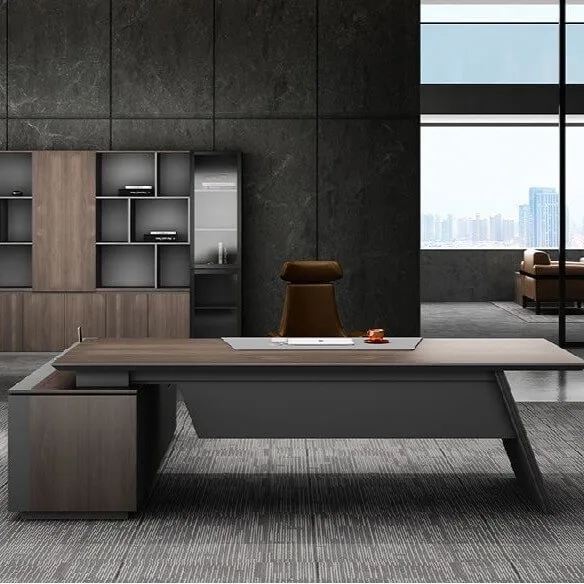
All of this has pushed companies to pay closer attention to how people feel while they work. Clear boundaries, healthier routines, and spaces that support real focus matter more than ever. Sustainability is part of the conversation too, from the supplies people use to the way offices are built and maintained. For a grounded look at how these ideas show up in everyday tools, the office supplies marketplace offers a simple view of the products shaping the modern workspace.