A handful of companies sit at the center of modern agriculture, shaping everything from seed development to global food distribution. Their reach is enormous, and whether you work directly in farming or somewhere along the supply chain, you feel their influence. These organizations help move crops across continents, support growers with new technologies, and keep food systems functioning in a world where demand keeps rising.
Cargill is often the first name that comes up in any conversation about global agriculture, and for good reason. With operations in dozens of countries, Cargill touches nearly every part of the supply chain, from grain trading to animal nutrition. Bayer holds a similar level of influence, especially after expanding its agricultural portfolio. Bayer continues to shape how farmers manage pests, improve yields, and adapt to changing conditions. ADM adds another layer to the picture. Through its global network, ADM plays a major role in food processing, feed production, and commodity movement.
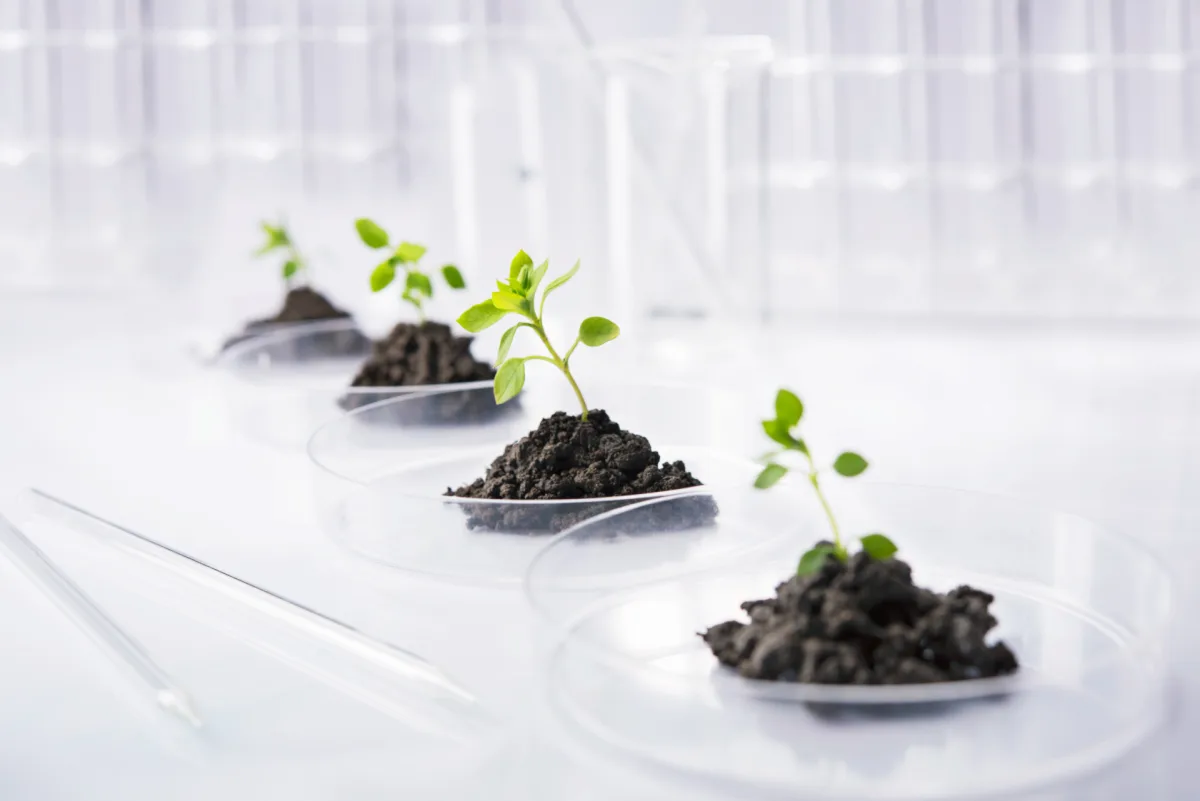
Each of these companies approaches agriculture from a different angle, but all of them influence how food moves from farms to markets and how growers respond to new challenges. Their work in seed development, crop protection, processing, and logistics helps stabilize food systems during seasons that are becoming harder to predict. Their investments in research and long term planning also support farmers who are trying to stay productive while dealing with shifting weather patterns and rising input costs.
Together, these organizations form a backbone for the global agricultural system. Their reach extends far beyond individual markets, influencing how global agriculture networks evolve and how growers prepare for the future. As the world looks for ways to feed a growing population, the strength of these companies and the systems they support will continue to shape the direction of modern farming and the broader agricultural community in the years ahead.