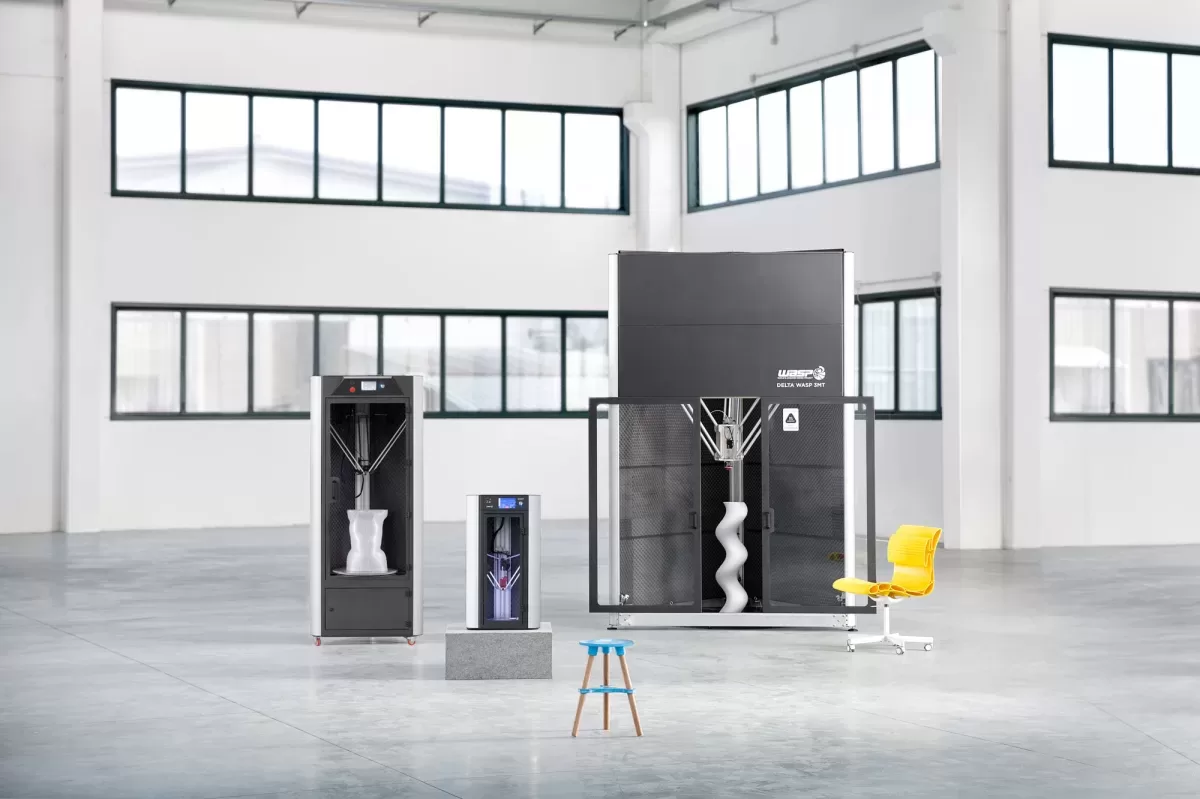
3D printing has settled into manufacturing in a way that feels less like a breakthrough and more like a tool people reach for when they need something done right. Designers use it to test ideas without waiting on a machine shop. Production teams use it to solve small problems that used to slow everything down. What started as a prototyping trick has turned into a practical part of everyday work, especially when a job calls for shapes or details that traditional methods fight against.
Different printing methods have their own personalities. Resin based machines handle the delicate work, the kind where a smooth edge or a tight curve matters. Powder systems take on the tougher jobs, building parts that can handle real stress without extra supports or cleanup. Filament printers are the workhorses, simple and steady, good for quick fixes and rough drafts. Metal printers sit in their own category, turning powdered alloys into parts that would be nearly impossible to machine from a solid block.
What is changing now is how these tools fit into the larger workflow. Engineers are pairing printers with sensors, modeling software, and smarter materials to get a clearer sense of how a part behaves before it ever hits the floor. Some shops are blending printed components with traditional machining to get the best of both worlds. Others are using printers to make fixtures, molds, or replacement parts that keep older equipment running longer. It is a quiet shift, but it is reshaping how people think about production.
The future feels less about spectacle and more about usefulness. Faster machines, better materials, and cleaner processes are making additive work feel like a natural extension of manufacturing rather than a separate specialty. For anyone trying to keep up with the changes, resources like the machinery and equipment marketplace offer a grounded look at how these tools are being used in real operations, not just in labs or trade show demos.