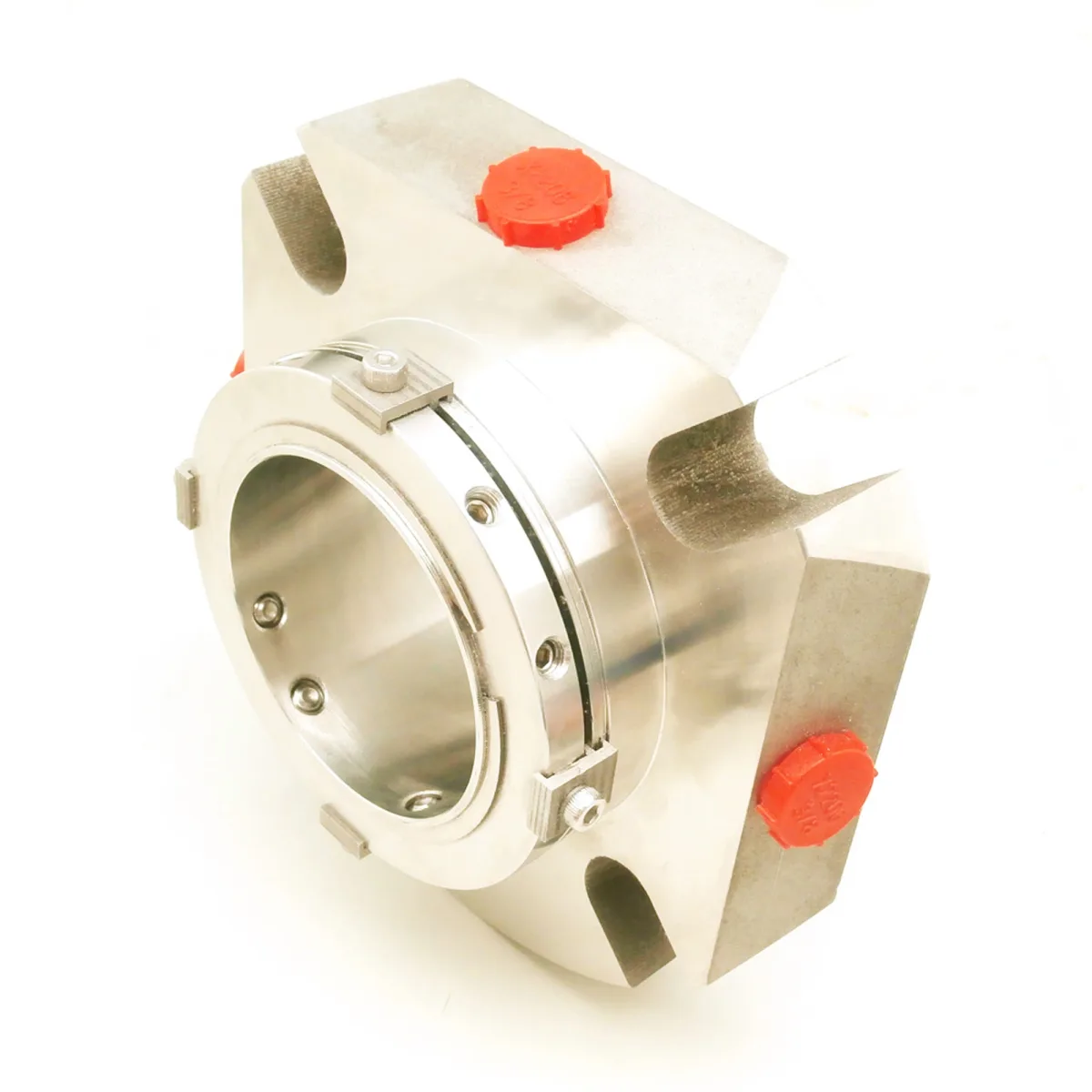
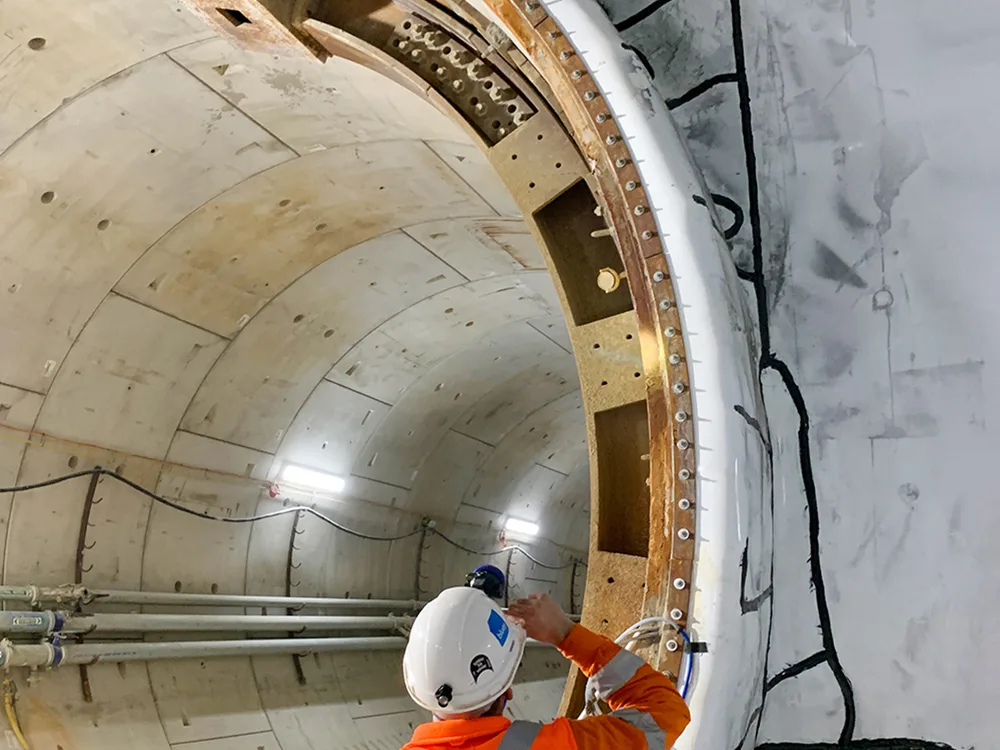
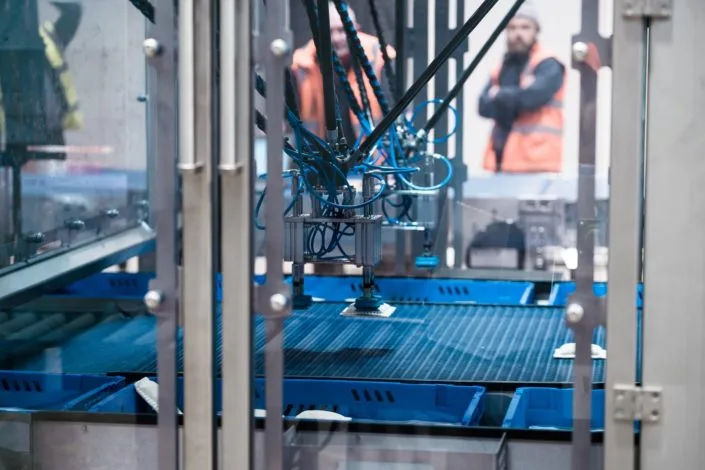
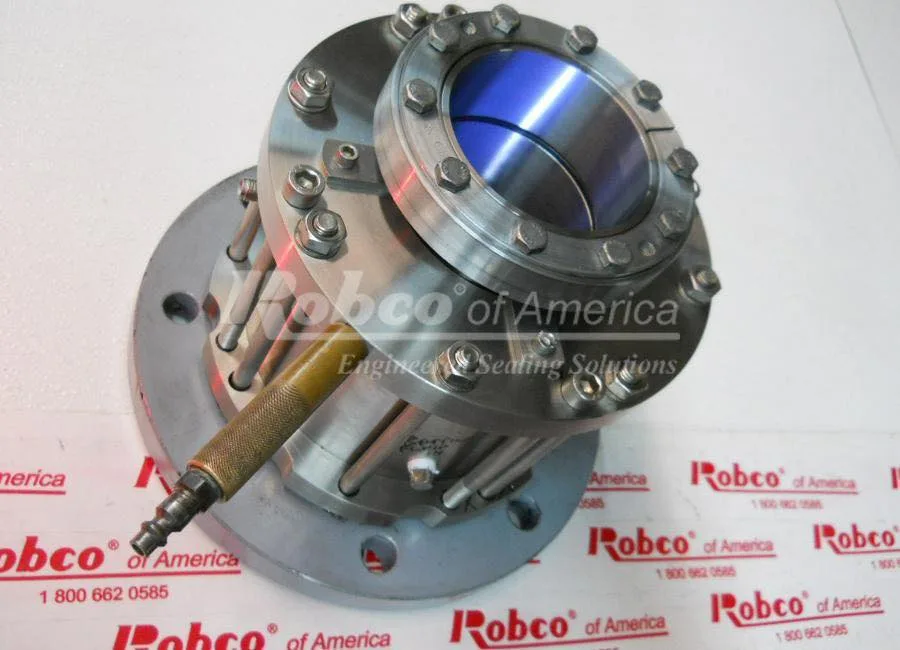
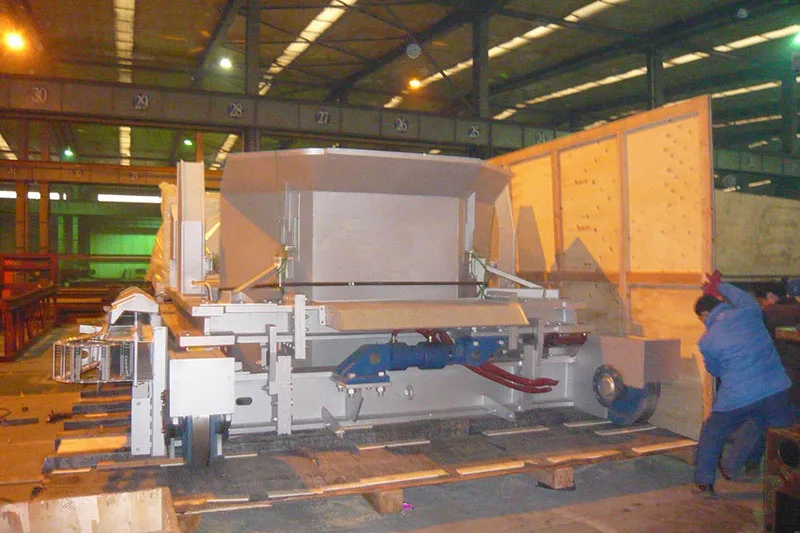
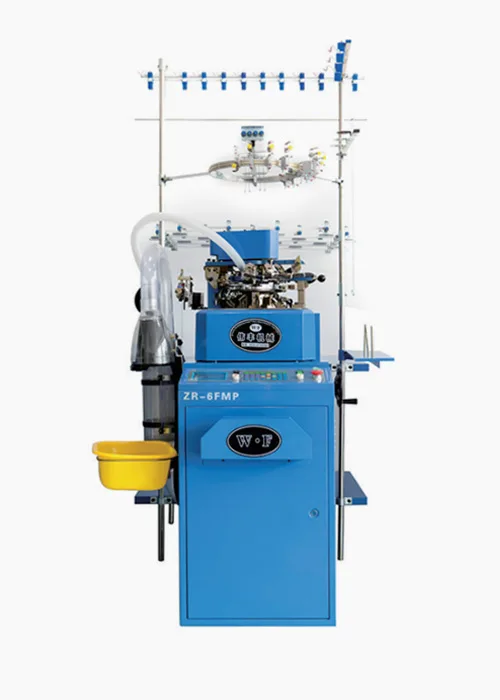
Mechanical engineering is shifting in a quieter, more practical way than the headlines suggest. A lot of teams are no longer buying machines straight off the shelf because the work they do rarely fits a standard mold. They want equipment shaped around the way their crews move, the materials they handle, and the pace their operations actually run at. Custom builds are becoming less of a luxury and more of a way to avoid fighting with tools that were never meant for the job.
Digital tools are helping that shift along, but not in a flashy way. Sensors and analytics give engineers a clearer sense of how a machine behaves when it is pushed, idled, or run through long cycles. That information ends up shaping the next version of the equipment. It is not about chasing the newest technology. It is about understanding where a machine strains, where it settles, and how to keep it steady without adding unnecessary complexity.
Service models are changing too. Instead of dropping off a machine and disappearing, more companies are staying involved for the long haul. They help tune the equipment, keep an eye on performance, and step in before small issues turn into downtime. It is a slower, more hands‑on approach that builds trust because the focus shifts from selling a product to keeping a system working the way it should.
All of this is tied together by better connectivity and a willingness to rethink old habits. Digital modeling, real time monitoring, and smarter materials are giving manufacturers room to design machines that last longer and use less energy. For anyone trying to make sense of where the field is heading, resources like the machinery and equipment marketplace offer a clear look at how customization and long term service are shaping the next generation of industrial tools.